Sunday, June 6, 2010

Biosolids (Human Wastes) For Fertilizers?!


Before we tackle about the pros and cons of "Biosolids," we must know the meaning of biosolids. If indeed you may ask what Biosolids is, according to Virginia Biosolids Council - Biosolids are mostly organic solids resulting from the treatment of wastewater that have undergone additional treatment to kill pathogens and that have been approved by the U.S. Environmental Protection Agency (EPA) for land application as a fertilizer and soil amendment.
Biosolids are rich in such nutrients as nitrogen and phosphorus and contain other supplementary nutrients, including potassium, sulfur, magnesium, calcium, copper and zinc.

This may sound so simple with it having a lot of different mineral and all, but biosolids are classified into two different kinds Class B and Class A. The federal Clean Water Act Part 503 regulations identify two classes of pathogen reduction for biosolids:


Class B biosolids undergo a "Process to Significantly Reduce Pathogens" (PSRP). Digesters and other forms of treatment kill from 90 to 99.5 percent of the pathogens originally found in wastewater solids. This means that pathogens are reduced to levels that are well below those found in animal manures. As a added layer of public protection, additional best management practices (BMPs) are required at the site where biosolids are applied, such as buffers and restrictions on access immediately after application. The natural environment of sunlight and existing organisms in the soil break down remaining pathogens.

In Virginia, Class B biosolids are used in bulk as fertilizers in agriculture and forestry and to reclaim barren lands. Site permit from the Virginia Department of Environmental Quality (DEQ) are required for Class B biosolids use.

Class A biosolids undergo a "Process to Further Reduce Pathogens (PFRP)." Pathogens are reduced to basically non-detectable levels. Class A biosolids products can be used on home lawns and gardens, parks and golf courses, and other place where public contact is likely without further regulation or site permits. Class A biosolids products include composted biosolids, lime pasteurized biosolids and fertilizer pellets. Class A biosolids products are sometimes ingredients in soil amendments, potting soils, and slow-release fertilizers available at lawn and garden centers.

The questions we now pose are: What are the pros and cons of Biosolids? Who are the potential stakeholders in this issue? Are we influenced by the western view of human waste as an unsanitary and disgusting nuisance?

PROS
  • Creates jobs
  • It is a cost effective method of disposal
  • Recycles versus filling landfills
  • Promotes farming
  • Reduces emissions from transportation to landfills
  • Good free fertilizer
  • Land reclamation
  • It is regulated according to EPA law 503

CONS
  • Potential health hazard
  • Effects irreversible
  • Contamination resulting from accumulation of industrial waste
  • Its true composition is unknown
  • May contain hazardous chemicals
  • Possibly transferable to crops
  • Decreases property value
  • Not sufficiently regulated
  • Odor
Although the list of cons are sure to be looked after, according to Virginia Biosolids Council most of these on the list have been compiled on the Internet, but the validity of these is highly questionable.

The potential stakeholders in this issue are regulated under both the Environment Protection Act (EPA) and the Nutrient Management Act (NMA). The Ministry of the Environment (MOE) must approve the application of biosolids to land. In order to apply biosolids to be land, a certificate of approval to establish or operate a waste management system or waste disposal site under the EPA must be obtained. In addition, Regulation 347 under the EPA provideds details on the regulation of organic soil conditioning sites and the standards applied, such as distance from watercourses, points of access to water, and distance from residences. Many waste management projects are also regulated under the Environmental Assessment Act. The application of biosolids to land is permitted as long as these regulatory requirements are met.

Biosolids may be viewed as unsanitary and disgusting nuisance by the westerners and some of us may also be influenced by the fact that it is all sorts of wastes, but we must not directly criticize upon hearing the word we must go beyond its uses and capability to sustainable agricultural practices, we have to consider the benefit we get from human waste. If we weight-in the pros and cons of using biosolids as a sustainable agricultural practice, it is clear that it is indeed worth the use although it may pose hazardous risk on behalf of our health, the list of cons acts only as a caution and not what the media or collecting sources from the internet prove otherwise. According to the Virginia Biosolids Council Facts - Substantial evidence from years of research and the widespread use of biosolids on farms supports the conclusion that humans do not get sick from the land application of biosolids. The National Academy of sciences, in its 2002 review of current practices, public health concerns and regulatory standards, concluded that the use of biosolids in the production of crops presents "negligible risk" to humans, crop production and the environment.

Aside form the issue circulating the risks involve on our health, another dilemma arises as to whether biosolids use poses harm to the environment compared to the use of chemical fertilizers. And according to the research, biosolids are not harmful as long as they are used in accordance with nutrient management requirements, that there are pros and cons as well to all forms of plant nutrients used by farmers; and the key is how each of these forms is managed. Farmers can take advantage of the slow-release of biosolids nutrients during the growing season - in step with crop requirements. Additionally, the land application of biosolids is subject to more regulatory oversight than the use of commercial fertilizer.

As a conclusion biosolids (human wastes) used as a sustainable agricultural fertilizer can be a n alternative to our current agricultural practices provided good management and requirements are met by both the producers and the users. Biosolids is one way to make our environment enrich with added essential nutrients and needed organic matter to the soil; and not destroyed by some harsh commercialized chemical fertilizers. Although for a fact that biosolids is readily available I still prefer the traditional way of sustainable agricultural practices and not by bio-research process of producing enhanced fertilizers.

This is a 6 minute 45 seconds film about wastewater treatment processes and its distribution:


Sources:

Pictures

http://www.waterandwastewater.com/news/176_biosolids.jpg

http://www.biosolids.com.au/images/biosolids-treatment-process.jpg


Video

http://www.youtube.com/watch?v=-bjbW1-lXaU&feature=related


Web


http://www.virginabiosolids.com/faq/index.htm

http://www.sencer.net/Outreach/pdfs/DCSymposium08/Posters/LUbiosolids.pdf

http://www.cielap.org/pdf/Brief_Biosolids.pdf

http://www.aces.edu/crd/publications/ANR-721.html

http://www.hinkleycenter.com/publications/Biosolids%20Report%20Year-3%20with%20BMP.pdf

Thursday, March 25, 2010

Medical Technology Advancement and It's Contributions


Medical Technology in Canada

by Nadeem Esmail & Dominika Wrona


Medical technologies are an important component of medical care and can provide significant positive benefits to patients. Medical technologies can advance the identification and treatment of disease, can provide for more comfortable treatment regimes and reduce pain, offer new treatment options for ill individuals where none previously existed, and can provide a safer environment for both patients and providers fortunate enough to have access to them. In many cases, medical technologies can accomplish these improvements cost effectively, and in some cases can reduce costs while improving outcomes. So how good is Canada’s health care system at ensuring that patients have high-tech health care available to them?


Advanced medical technologies can deliver numerous benefits to both patients and those funding the health care system. For example, newer advanced diagnostic equipment such as multi-slice Computed Tomograhpy (CT) scanners, more powerful Magnetic Resonance Imaging (MRI) machines, and Positron Emission Tomography (PET) scanners (both) stand-alone and combination PET/CT units) allow for greater accuracy, speed, and efficiency in diagnosing medical problems. They also provide less invasive procedures for the diagnosis of disease, which can facilitate earlier and more localized treatment. Doctors can use more sophisticated scanners to observe and learn more about the body’s functions and location of disease without subjecting the patient to surgery for either diagnosis or needless interventions. For example, a PET scan can detect a lung cancer that has spread, thus avoid a futile operation. It can also determine if liver tumours can be safely removed, and can help determine if chemotherapy treatment is working, or whether the drug cocktail being provided needs to be changed (Priest, 2006). PET scanners also allow some patients to avoid surgical biopsies for the diagnosis and identification of cancers.

New medical devices can also offer new treatment options to patients who were previously left untreated. Consider the Implantable Cardioverter Defibrillator (ICD), which works on the same principal as an external defibrillator, but is implanted in a patient’s chest. The ICD sends an electrical current to the heart when it detects serious arrhythmia, or a stoppage, in order to restore normal rhythm. This device allows patients at risk of sudden cardiac arrest to live independently and not be under constant surveillance.

In countless way, medical technologies can improve access to care, improve effectiveness of care, decrease morbidity and mortality, speed up recovery, and increase patient comfort. These benefits are not just theoretical, but have been quantified in published studies.

A recent report by the Canadian Institute for Health Information (2007) looked at trends in hospital use. It suggested that “advances in medical technology [are] leading to more efficient ways of treating inpatients” (p. 15). The report also found that more operations are being performed as outpatient day surgeries across Canada; the number of hospital procedures performed as outpatient day surgeries increased by 30.6 percent over 10 years, while the number of inpatient surgeries decreased by 16.5 percent. The total number of surgeries increased by 17.3 percent. Further, the age-standardized hospitalization rate decreased by 25 percent over the 10 years, falling from roughly 11 out of 100 Canadians being hospitalized in 1995-1996, to roughly 8 out of every 100 Canadians in 2005-2006. The total number of days Canadians spent in acute care hospitals had also decreased, falling from approximately 23 million days in 1995-1996 to 20 million in 2006 (a 13.1 percent reduction). Moreover, even though the average length of hospital stay remained unchanged since 1995-1996 at 7.2 days, the age-adjusted national average length of hospital stay decreased from 7.5 days in 1995-1996 to 7 days in 2005-2006 (a 6.7 percent decrease). The report made no explicit link between the reduced length of hospital stay, the reduced likelihood of hospitalization, the increased reliance on outpatient day surgery, and advances in medical technology. However, the correlation between advances in medical technology (pharmaceutical, surgical, diagnostic, and otherwise) and shorter hospital stays is worth noting and has been confirmed by studies examining some forms of medical technologies (see, for example, Lichtenberg, 2003).

Here is a video of a Canadian Contributors for Medical Technology and Research:


2009 New Pioneers Awards

According to the Canadian Institute for Health Infornation’s [CIHI] Natinal Survey of Selected Medical Imaging Equipment (2006b) allows for such an examination. The survey data, available on the CIHI’s website at www.cihi.ca, provides the location, age, and select specifications of CT scanners, PET scanners, MIR machines, SPECT scanners, gamma cameras, lithotripters, angiography suites, cardiac catheterization labs, and select fusion technologies (PET/CT and SPECT/CT) in hospitals and free-standing facilities across Canada on January 1, 2006. Which means Canadians contributed far advance medical technology in helping us understanding the internal body system, and way to prevent and detect critical disease condition.


Source:

Web document on university program or department Web site

Nadeem Esmail & Dominika Wrona (2008). APA style essentials. Retrieved August 2008, from Fraser University, Department of Health Web site: http://www.fraserinstitute.org/researchandpublications/publications/6122.aspx

Studies in Health Care Policy "Medical Technology in Canada"
References Web site: http://www.fraserinstitute.org/commerce.web/product_files/Medical_Technology_in_Canada.pdf

Image Source:

http://www.wahabtech.com/files/images/medical_equipment.jpg

www.cartoonstock.com/.../cwl/lowres/cwln192l.jpg

Video Source:

http://www.youtube.com/watch?v=qWDt_EyKQaI

Artificial Selection - Good or Bad?

(Choosing the Fittest)


Based on the encyclopaedia term definition for artificial selection (or selective breeding) describes intentional breeding for certain traits, or combination of traits. The term was utilized by Charles Darwin in contrast to natural selection, in which the differential reproduction of organisms with certain traits is attributed to improved survival or reproductive ability (“Darwinian fitness”). As opposed to artificial selection, which humans favour specific traits, in natural selection the environment acts as a sieve through which only certain variations can pass. Humans have carried out artificial selection (or selective breeding) for thousands of years. In one sense, the history of farming is the history of artificial selection.

We humans have been artificial selecting animals and plants for thousands of years ago. Animals and plants were first domesticated in the eastern Mediterranean; in the area known as the Fertile Crescent. And the first animal to be domesticated was the dog, from wild wolves around 13,000 years ago. In all parts of the world our ancestors realised they could breed animals and crops that in some way produced a greater yield of food. Equally by breeding from animals that displayed particular behavioural traits, early farmers were able to make use of abilities such as herding or hunting by dogs.

Being able to predict what the next generation to an animal or food plant would be like, turned the early farmers into genetics, long before genes were thought of. And knowing these facts when can’t disregard bugling questions behind artificial selections – is it good or bad?

I believe artificial selection is not bad at all; these vast changes in occupation from hunting and gathering to cultivating food crops and raising livestock had important consequences for human cultural evolution. Agriculture permitted the establishment of permanent villages and ultimately cities, city-states, and empires. Increasing agricultural productivity freed a significant portion of the population from the demands of growing food and allowed them to take up scientific, technological, religious, and artistic endeavours. These facts prove that artificial selection is not bad at all, rather helpful to us indeed.

Artificial selection has resulted in plants that are more disease-resistant, cows that produce more milk, and racehorses that run faster. One must wonder what will come next, which would lead us to this question – under what circumstances should humans be artificially selecting plants or animals, if any?

Humans can only be artificially selecting plants or animals for the following acceptable circumstances:


Animals with leaner meat

Animals that produces more milk

High-yielding and stand ability of crops (e.g. corn)

Plants with large amount of nutrients or nutritious plants

Resistant to high level of salinity (e.g. wheat, in which high level of salt are applied to the soil to kill almost all of the affected wheat plants, but almost certainly a few plants will survive. These survivors can then be used to breed a line of salt-tolerant plants)

Screening (the breeder’s term for selecting certain individuals from a large population of specimens) is now possible in the test tube where it is referred to as in vitro selection. Individual cells from plants may be subjected to certain chemical toxins. Those are able to grow despite the presence of a toxin are mutants that are naturally resistant. Using this method, corn with 10 to 100 times more resistance to certain herbicides has been developed.


Evolution of Corn

For example, corn breeding, a plant breeder trying to increase yields might pollinate a number of high- yielding corn plants with the pollen of other high-yielding ones in the hope that the offspring will produce even more corn. Alternatively, if the breeder wants corn that has a high yield and will tolerate drought (a commonly desired pair of traits), he might try pollinating drought-tolerant corn with pollen from high-yielding corn.

Other methods like enhancing reproduction.


Although artificial selection is mainly an advantage, but because of sweeping and comparatively rapid cultural changes, another slower one is taking place – we are beginning to direct the evolution of increasing numbers of plants and animal species. Like one circumstance which is disturbing is the artificial selection for “Perfect Pet.” This can also be a down side to artificial selection. And because this process essentially removes variation in a population, selectively bred organisms can be especially susceptible to diseases or changes in the environment that would not be a problem for a natural population. Inbreeding — the mating of closely related individuals — is also a problem. In dogs, this has resulted in breeds that have health issues ranging from decreased life span to hip dysplasia. Therefore, artificial selection is indeed a good thing; we just have to be aware of the circumstances and consequences to our decisions in selecting plants or animals.


Video Source:

http://www.youtube.com/watch?v=-K6ja_ZJkKk&feature=related

Picture Source:

http://evolution.berkeley.edu/evolibrary/images/news/corn.gif

http://www.windows.ucar.edu/earth/geology/images/dogs_sm.jpg

http://www.apartmenttherapy.com/uimages/kitchen/2008_03_21-GMFoods.jpg

Sources:

http://www.wisegeek.com/what-is-artificial-selection.htm

http://www.learner.org/courses/essential/life/session5/closer1.html

http://faculty.ed.uiuc.edu/g-cziko/wm/14.html


Tuesday, February 16, 2010

BABIES OF TOMMOROW?!


What comes to your mind when you hear the term "Designer Baby"? Is it new trends in baby's clothing or lifestyle? Would it ever occur to you that designer baby is indeed a new way of modifying or selecting babies' genes for desirable characteristics?

The colloquial term "designer baby" defined by wikipedia, the free encylopedia, refers to a baby whose genetic makeup has been artificially selected by genetic engineering combined with vitro fertilisation to ensure the presence or absence of particular genes or characteristics. The term is derived by comparison with "designer clothing". Designer babies is a term used by journalists and the media, but not a term used by scientists.


Advanced reproductive techniques involve using InVitro Fertilisation of IVF to fertilise eggs with sperm in 'test tubes' outside the mother's body in a laboratory. These techniques allow doctors and parents to reduce the chance that a child will be born with a genetic disorder. At the moment it is only legally possible to carry out two tupes of advanced reproductive technologies on humans. The first involves choosing the type of sperm of the baby. The second techique screens embryos for a genetic disease: only selected embryos are implanted back into the mother's womb. This is called Pre-implantation Genetic Diagnosis (PDG).

In this short bbc documentary, commented by Princeton Professor Lee Silver, gives us a glimpse of the pros and frigthening scenario brought by new advancement in babies' genetics.

http://www.youtube.com/watch?v=TN9ep4B9Hw0


Isn’t this enough for an awakening? Why would people go through beyond what is expected from having their unique baby, with mom’s eyes and dad’s height? Although PD G has some attributes for lesser diseases from genetic bloodlines, we can’t disregard the fact that it also has a greater weight of consequences. An example for this is, people nowadays are easily drawn and influence through media, and because of this they would disregard the social and ethical implications of having their babies designed. This would no longer validate the reason for preventive medicine, but solely for human’s greed of perfection.


According to Nicholas Agar, Ph.D. there are lingering complications if one would disregard the social and ethical implications of having a baby designed. And in his article he states that, “Some of the most challenging moral and ethical questions about a licence to design babies concern the societies it might lead to. The movie Gattaca depicts a future in which genetically enhanced people take the lead, viewing unenhanced people as fit only to clean up after them. Liberal democracy is a cooperative venture in which all are seen as having something to offer.17 Will genetic enhancement bring this social arrangement to an end, creating societies in which unenhanced people are viewed by their genetic superiors in much the same way that we currently view chimpanzees, suitable for drug testing and zoo exhibits but little else?” Now let this be a lesson to learn that most of the time people are uniquely beautiful regardless of imperfection and that most of the time people’s greed for perfection would only bring forth complications. Now let you be a judge of this, would you stick to God’s given gift? Or rather interfere with faith.


Source

Will genetic enhancement lead to a discriminatory society? by Nicholas Agar, Ph.D.
http://www.actionbioscience.org/biotech/agar.html

What is a designer baby?
http://www.bionetonline.org/English/Content/db_cont1.htm

Human cloning is a long way off, but bioengineered kids are already here.
By Shannon Brownlee
http://www.washingtonmonthly.com/features/2001/0203.brownlee.html


Video Source

bbc commentary
http://www.youtube.com/watch?v=TN9ep4B9Hw0

Picture Source

Genetic Screening

http://www.newscientist.com/data/images/ns/cms/mg20127006.600/mg20127006.600-1_300.jpg

Designer Babies

img389.imageshack.us/.../nmembryo080512mnkf1.jpg

Designer Babies?

http://blogs.sch.gr/tgiakoum/files/2009/07/31designer-babies_1.jpg


Monday, October 19, 2009

Loss of Biodiversity and Extinctions

Indeed, humans are the most invasive species. they can greatly change an environment and impact living things residing there. According to the report from the World Wide Fund of Nature (WWF) in 2006, it confirmed concerns from the previous year, noting that:

Already resources are depleting, with the report showing that vertebrate species populations have declined by about one-third in the 33 years from 1970 to 2003. At the same time, humanity’s Ecological Footprint—the demand people place upon the natural world—has increased to the point where the Earth is unable to keep up in the struggle to regenerate
- Human footprint too big for nature,WWF, October 24, 2000


Is this the kind of world we want? After all, the short video concludes, that our lives are inextricably linked with biodiversity. Ultimately its protection is essential for our very survival.

Consider the following observations and conclusions from established experts and institutions, Jaan Suurkula, M.D. and chairman of Physicians and Scientists for Responsible Application of Science and Technology (PSRAST), noting the impact that global warming will have on ecosystems and biodiversity:

The world environmental situation is likely to be further aggravated by the increasingly rapid, large scale global extinction of species. It occurred in the 20th century at a rate that was a thousand times higher than the average rate during the preceding 65 million years. This is likely to destabilize various ecosystems including agricultural systems.

…In a slow extinction, various balancing mechanisms can develop. No one knows what will be the result of this extremely rapid extinction rate. What is known, for sure, is that the world ecological system has been kept in balance through a very complex and multifacetted interaction between a huge number of species. This rapid extinction is therefore likely to precitate collapses of ecolosystems at a global scale. This is predicted to create large-scale agricultural problems, threatening food supplies to hundreds of millions of people. This ecological prediction does not take into consideration the effects of global warming which will further aggravate the situation.

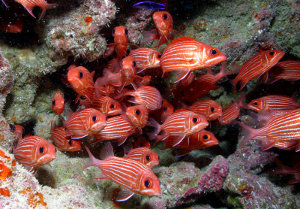
Industrialized fishing has contributed importantly to mass extinction due to repeatedly failed attempts at limiting the fishing.

A new global study concludes that 90 percent of all large fishes have disappeared from the world’s oceans in the past half century, the devastating result of industrial fishing. The study, which took 10 years to complete and was published in the international journal Nature, paints a grim picture of the Earth’s current populations of such species as sharks, swordfish, tuna and marlin.


…The loss of predatory fishes is likely to cause multiple complex imbalances in marine ecology.


Another cause for extensive fish extinction is the destruction of coral reefs. This is caused by a combination of causes, including warming of oceans, damage from fishing tools and a harmful infection of coral organisms promoted by ocean pollution. It will take hundreds of thousands of years to restore what is now being destroyed in a few decades.


…According to the most comprehensive study done so far in this field, over a million species will be lost in the coming 50 years. The most important cause was found to be climate change.

…NOTE: The above presentation encompasses only the most important and burning global environmental problems. There are several additional ones, especially in the field of chemical pollution that contribute to harm the environment or upset the ecological balance.

- Jaan Suurkula, World-wide cooperation required to prevent global crisis; Part one— the problem, Physicians and Scientists for Responsible Application of Science and Technology, February 6, 2004 [Emphasis is original]


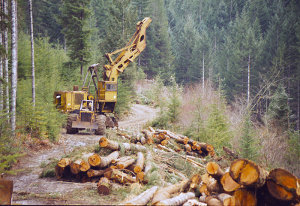
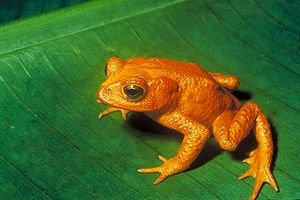
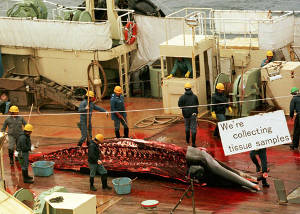
In every angle to an argument, whoever you ask, it will always be the human's fault of what ever global crisis happens world-wide. It is always an unending cycle of loss to our biodiversity and as well as extinction to a variety of creatures, simply because we never care and only act when there is nothing we can no longer do to fix what we destroy. It is always a domino effect to what ever cause we make, from the starting point of Massive Extinction From Human Activities so as to the decline of amphibian populations, dwindling fish stocks, decline of ocean biodiversity, and loss of forests which equates to the loss of many species. It is important to become aware to the loss of biodiversity and extinctions as to help each other form a greater loss. Becoming aware of this issue and sharing them to others would greatly help in little ways and would largely grow to retain the importance of biodiversity and prevents more destruction.

Decline of Amphibian Populations


Massive Extinction From Human Activities


Sources:

http://www.globalissues.org/article/171/loss-of-biodiversity-and-extinctions#MassiveExtinctionsFromHumanActivity